




Friday, May 30, 2008
SeDeSi
Naalala ko yung grupo nina Ate Kim na ang pangalan ay SeDeSi. ang pagkaalam ko, it stands for Seven Deadly Sins... then i wondered what those seven are. i knew we took this topic during my 4th year days. sa RVE and English class pa nga namin eh. kaso among the seven, the only ones i can remember were Lust, Gluttony, Pride and Sloth. kaya tuloy, napilitan akong mag-search tungkol dun. i feel incomplete kasi pag may tanong sa isip ko na di masagot-sagot. heheheh~ XD
-------------------------
The sins
**Lust (Latin, luxuria)
Lust (or lechery) is usually thought of as involving obsessive or excessive thoughts or desires of a sexual nature. Unfulfilled lusts sometimes lead to sexual or sociological compulsions and/or transgressions including (but obviously not limited to) sexual addiction, adultery, bestiality, rape, and incest. Dante's criterion was "excessive love of others," which therefore rendered love and devotion to God as secondary. In "Purgatorio", the penitent walks within flames to purge himself of lustful/sexual thoughts and feelings.
**Gluttony (Latin, gula)
Derived from the Latin gluttire, meaning to gulp down or swallow, gluttony is the over-indulgence and over-consumption of anything to the point of waste. In the Christian religions, it is considered a sin because of the excessive desire for food, or its withholding from the needy.
Depending on the culture, it can be seen as either a vice or a sign of status. Where food is relatively scarce, being able to eat well might be something to take pride in (although this can also result in a moral backlash when confronted with the reality of those less fortunate). Where food is routinely plentiful, it may be considered a sign of self control to resist the temptation to over-indulge.
Medieval church leaders (e.g., Thomas Aquinas) took a more expansive view of gluttony, arguing that it could also include an obsessive anticipation of meals, and the constant eating of delicacies and excessively costly foods. He went so far as to prepare a list of six ways to commit gluttony, including:
- Praepropere - eating too soon
- Laute - eating too expensively
- Nimis - eating too much
- Ardenter - eating too eagerly
- Studiose - eating too daintily
- Forente - eating too fervently
**Greed (Latin, avaritia)
Greed (or avarice, covetousness) is, like lust and gluttony, a sin of excess. However, greed (as seen by the church) is applied to the acquisition of wealth in particular. St. Thomas Aquinas wrote that greed was "a sin against God, just as all mortal sins, in as much as man condemns things eternal for the sake of temporal things." In Dante's Purgatory, the penitents were bound and laid face down on the ground for having concentrated too much on earthly thoughts. "Avarice" is more of a blanket term that can describe many other examples of greedy behavior. These include disloyalty, deliberate betrayal, or treason,[citations needed]bribery especially for personal gain, for example through . Scavenging and hoarding of materials or objects, theft and robbery, especially by means of violence, trickery, or manipulation of authority are all actions that may be inspired by greed. Such misdeeds can include simony, where one profits from soliciting goods within the actual confines of a church.
**Sloth (Latin, acedia)
More than other sins, the definition of sloth has changed considerably since its original inclusion among the seven deadly sins. In fact it was first called the sin of sadness or despair. It had been in the early years of Christianity characterized by what modern writers would now describe as melancholy: apathy, depression, and joylessness — the last being viewed as being a refusal to enjoy the goodness of God and the world he created. Originally, its place was fulfilled by two other aspects, acedia and sadness. The former described a spiritual apathy that affected the faithful by discouraging them from their religious work. Sadness (tristitia in Latin) described a feeling of dissatisfaction or discontent, which caused unhappiness with one's current situation. When Thomas Aquinas selected acedia for his list, he described it as an "uneasiness of the mind", being a progenitor for lesser sins such as restlessness and instability. Dante refined this definition further, describing sloth as being the "failure to love God with all one's heart, all one's mind and all one's soul." He also described it as the middle sin, and as such was the only sin characterised by an absence or insufficiency of love. In his "Purgatorio", the slothful penitents were made to run continuously at top speed.
The modern view of the vice, as highlighted by its contrary virtue of zeal or diligence, is that it represents the failure to utilize one's talents and gifts. For example, a student who does not work beyond what is required (and thus fails to achieve his or her full potential) could be labeled slothful.
Current interpretations are therefore much less stringent and comprehensive than they were in medieval times, and portray sloth as being more simply a sin of laziness or indifference, of an unwillingness to act, an unwillingness to care (rather than a failure to love God and his works). For this reason sloth is now often seen as being considerably less serious than the other sins, more a sin of omission than of commission. The South American animal was named after this sin by Roman Catholic explorers.
**Wrath (Latin, ira)
Wrath (or anger) may be described as inordinate and uncontrolled feelings of hatred and anger. These feelings can manifest as vehement denial of the truth, both to others and in the form of self-denial, impatience with the procedure of law, and the desire to seek revenge outside of the workings of the justice system (such as engaging in vigilantism) and generally wishing to do evil or harm to others. The transgressions borne of vengeance are among the most serious, including murder, assault, and in extreme cases, genocide. Wrath is the only sin not necessarily associated with selfishness or self-interest (although one can of course be wrathful for selfish reasons, such as jealousy, closely related to the sin of envy). Dante described vengeance as "love of justice perverted to revenge and spite". In its original form, the sin of wrath also encompassed anger pointed internally rather than externally. Thus suicide was deemed as the ultimate, albeit tragic, expression of wrath directed inwardly, a final rejection of God's gifts.
**Envy (Latin, invidia)
Like greed, envy is characterized by an insatiable desire; they differ, however, for two main reasons. First, greed is largely associated with material goods, whereas envy may apply more generally. Second, those who commit the sin of envy desire something that someone else has which they perceive themselves as lacking. Dante defined this as "love of one's own good perverted to a desire to deprive other men of theirs." In Dante's Purgatory, the punishment for the envious is to have their eyes sewn shut with wire, because they have gained sinful pleasure from seeing others brought low. Aquinas described envy as "sorrow for another's good".
**Pride (Latin, superbia)
In almost every list pride ( or hubris or vanity) is considered the original and most serious of the seven deadly sins, and indeed the ultimate source from which the others arise. It is identified as a desire to be more important or attractive than others, failing to give compliments to others though they may be deserving of them, and excessive love of self (especially holding self out of proper position toward God). Dante's definition was "love of self perverted to hatred and contempt for one's neighbor." In Jacob Bidermann's medieval miracle play, Cenodoxus, pride is the deadliest of all the sins and leads directly to the damnation of the titulary famed Parisian doctor. In perhaps the best-known example, the story of Lucifer, pride was what caused his fall from Heaven, and his resultant transformation into Satan. Vanity and narcissism are prime examples of this sin. In Dante's Divine Comedy, the penitent were forced to walk with stone slabs bearing down on their backs in order to induce feelings of humility.-------------------------
credits to Wikipedia

Friday, May 23, 2008
bummed
grrr. hindi na tuloy ang baguio trip namin. si kate nalng together with some relatives ang nandun ngayon. naiwan ako kasi nag-enroll pko. e sandali lang pala ang procedure so sayang tlga! umiiyak daw si kate kasi mag-isa lang sya dun. miss na cguro kami. hahaha. ako naman umiiyak kasi gusto kong pumunta dun! antagal ko na kayang di nakapunta dun! si papa kasi pasaway eh! may kailangan pa raw syang asikasuhin tungkol sa passport namin. pupunta kasi siyang singapore (business trip) sa june kaya nagmamadali sya! kainis! super out-of-timing! grrr. >____>--
nagpaunat si mama. sana ako rin ipaunat nila soon! hehehe~ :D
--
linya
"Sometimes we could be so stubborn holding on to something we want badly... there is nothing wrong in hoping for love to come back but there are times that we simply have to accept the fact that it's over. "--> ouch! sapul ako dun ah! ang saklap naman nito! next na nga... XD
"If He created humans in His own likeness without letting them acquire the same perfection He has, what is He up to?"
--> oha oha! may point naman dba? anu kayang trip ni God? hehehe~ :D
Tuesday, May 13, 2008
i just love Lolita fashion


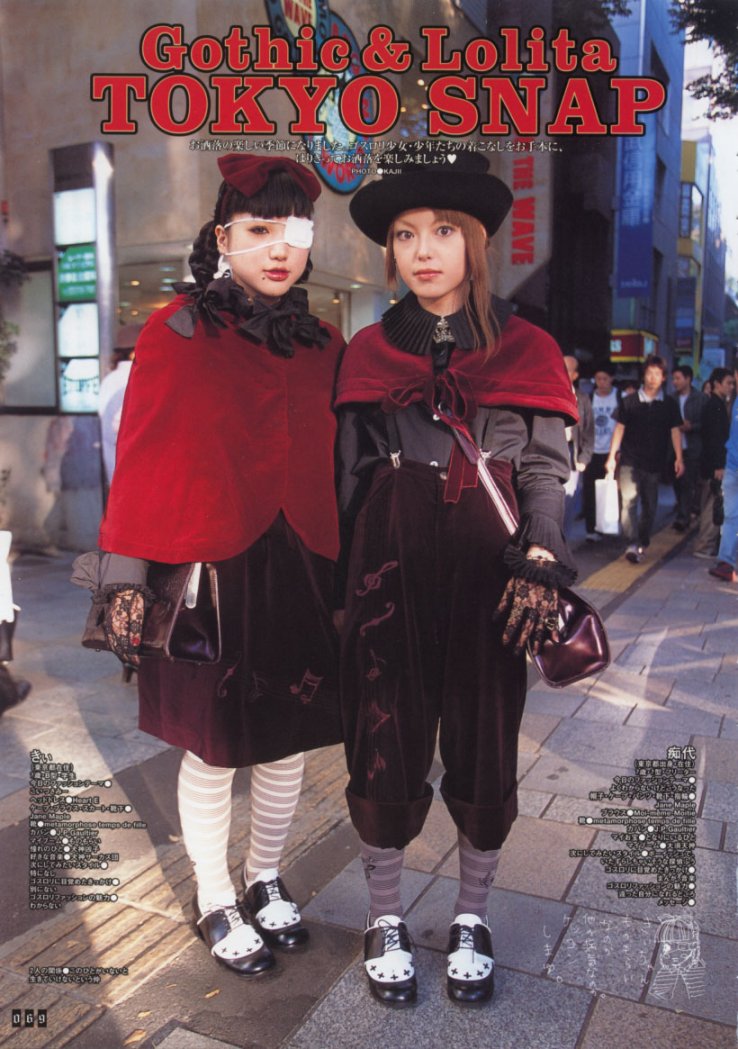
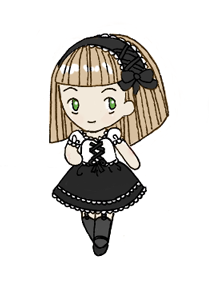
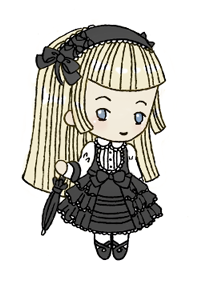 ♥Gothic Lolita♥
Probably the most common lolita style. The traditional blackxwhite scheme is very recognizable, but not all gothic lolita is black and white. This style incorporates the darker colors and themes (like cross motifs and veils) from Western goth into the more adorable lolita style to produce a very unique style that takes a lot of practice to perfect. So it's darker than sweet lolita, but much sweeter than Western goth. Most lolitas start off with this style because it much easier to find gothic items locally and it's very easy to coordinate. But be aware that Gothic Lolita is nt a substyle of Goth fashion, though it incorporates some of its elements.
This style may also be called 'loli-goth', 'goth-loli', 'Elegant Gothic Lolita' or 'EGL', but these terms are somewhat misleading, though they are commonly used so be aware. Some people also consider Gothic Lolita a coverall term for lolita fashion, probably because of the Gothic Lolita Bibles, but this is also misleading because many lolita styles possess no gothic elements.
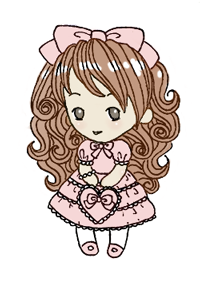 ♥Sweet Lolita♥
The second most common lolita style and definitely one of the cutest and most colorful. It has all the traditional lolita elements but with a more wider choice of colors, like light pinks, baby blues, deep red, deep blue, black, and even sometimes colors like lavender, canary yellow and mint green. This is also where you'll find the most fluff and frill. Other popular colors used might be deep reds, deep blues. Lolita brands that sells Sweet Lolita clothing might often have themes, such as fairy tales (i.e.: Little Mermaid, Sleeping Beauty, Little Red Riding Hood, Cinderella, Snow White, etc.), cupcakes, fruits, and other sweets, puppies and kitties, and fragrances.
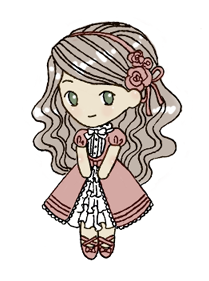 ♥Classic Lolita♥
Classic lolita is a slightly more mature version of lolita. It's not quite aristo because the loli silhouette is still present, but there are fewer frills and it's a lot less cutesy. Generally classic pieces are decorated with a few self-ruffles or some ribbons, but you won't find yourself swimming in lace and large bows. Classic lolis tend to wear darker or more muted colors (as opposed to bright pink or blue) and floral prints are common as well but aren't required for a classic outfit. What makes this style harder to distinguish is that it is right between sweet and gothic lolita - the dark reds and blues and even blacks can be confused for gothic style while the light florals make it look like sweet. What separates it from both is that it relies on an elegant cut or print instead of a lot of trim. The perfect style for those who love lolita but who want a more subdued look.
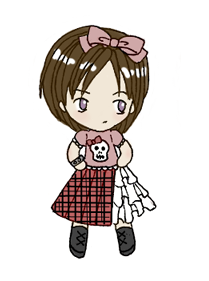 ♥Punk Lolita♥
 Punk lolita is a really hard style to pull off because it treads a fine line between lolita and full-on Western Punk. Traditional punk elements are used - plaid, chains, spikes, deconstructed fabrics, etc. - but what separates punk lolita from traditional punk is really the fact that it's adorable and a bit cutesy. Good punk lolita tends to keep the bell-shaped skirt or the frilly blouse even with all the other more punk features, and lolita accessories are mixed with punk (for example, a lace trimmed spiked collar). This is the only lolita style where big stompy boots really fit, but honestly any shoes work for punk lolita so long as you have other lolita elements in your outfit. Though keep in mind you'll probably look a little ridiculous to real punks, so you may want to leave the frills behind for the Buzzcocks concert.
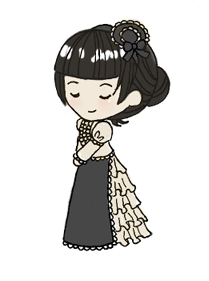 ♥Aristocrat♥
 Aristocrat is a more mature style, so I'm not sure whether it would actually be called lolita. But it is associated with it, simply because of it's old-fashioned elegance. The skirts are longer and they don't have to be bell-shaped, and the shoes and other accessories are typically less cutesy. It's what lolitas grow up to be - an elegant, refined lady. For a few examples (I'm sorry they aren't very good):
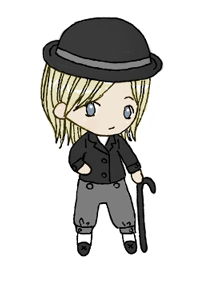 ♥Boystyle♥
 Boystyle is just as varied as lolita ranging from the cute little-boy style of kodonas to the more sophisticated dandy or aristocrat. "Kodonas" might wear knickers (not the underwear!!!) with a proper blouse and a vest, while aristocrats would wear a whole suit; a suit like those from the Victorian Era, not a tuxedo. But seeing as I don't really wear boystyle, I thought I'd leave the description up to those who understand it better than I do (namely neuromance), see here from
![[info]](http://p-stat.livejournal.com/img/community.gif) teddyboys.
teddyboys.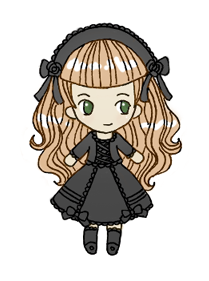 ♥Kuro Lolita♥
 ♥
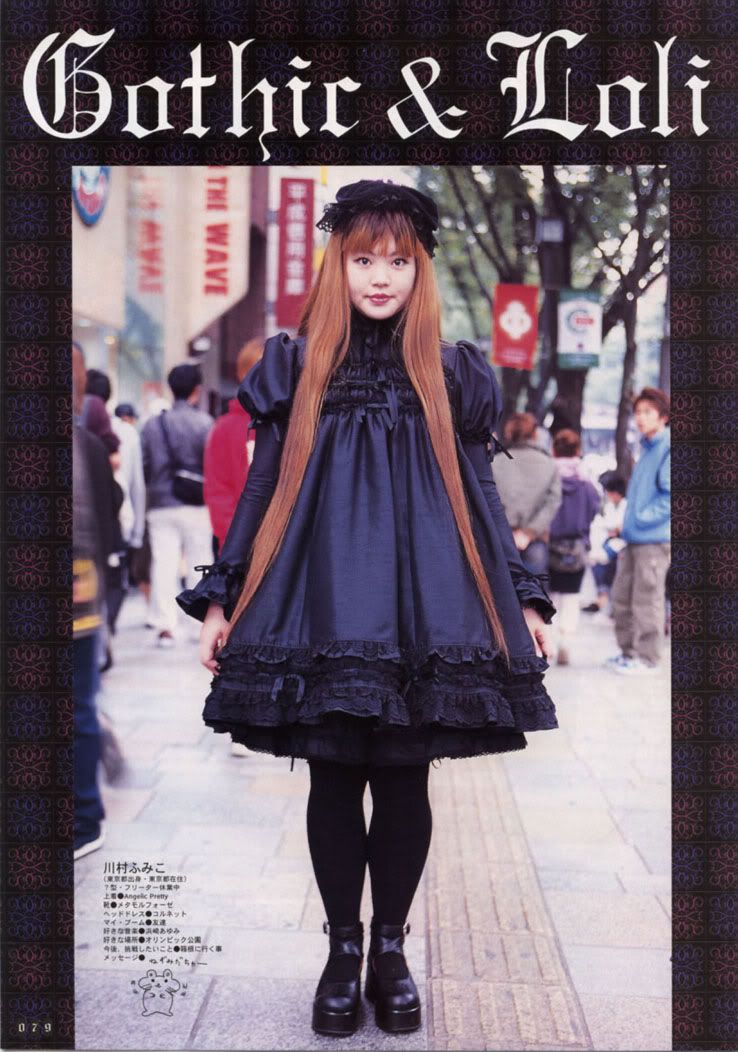 ~ ♥
~ ♥ ~ ♥
~ ♥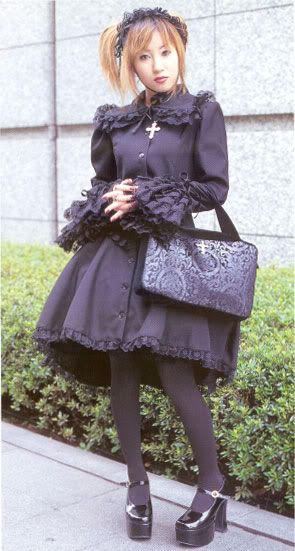
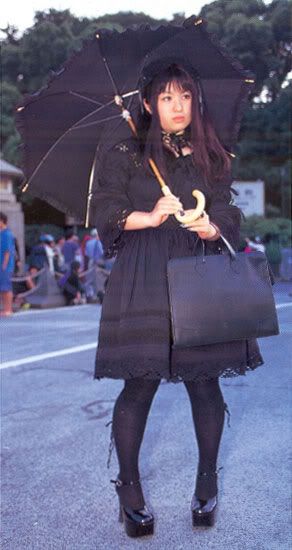
"Black" lolita - like any other style of lolita but completely black. I'm not entirely sure why the style merits it's own name, but just a heads up this is what it is called. Kuro-lolitas are often spotted with their lighter counterpart, the shiro-lolita.
(Note: Kuro-lolita is not a name to call darker-skinned lolitas. I've seen people say it in this term and it's ridiculous.)
 ♥Shiro Lolita♥
 ♥
 ~ ♥
~ ♥ ~ ♥
~ ♥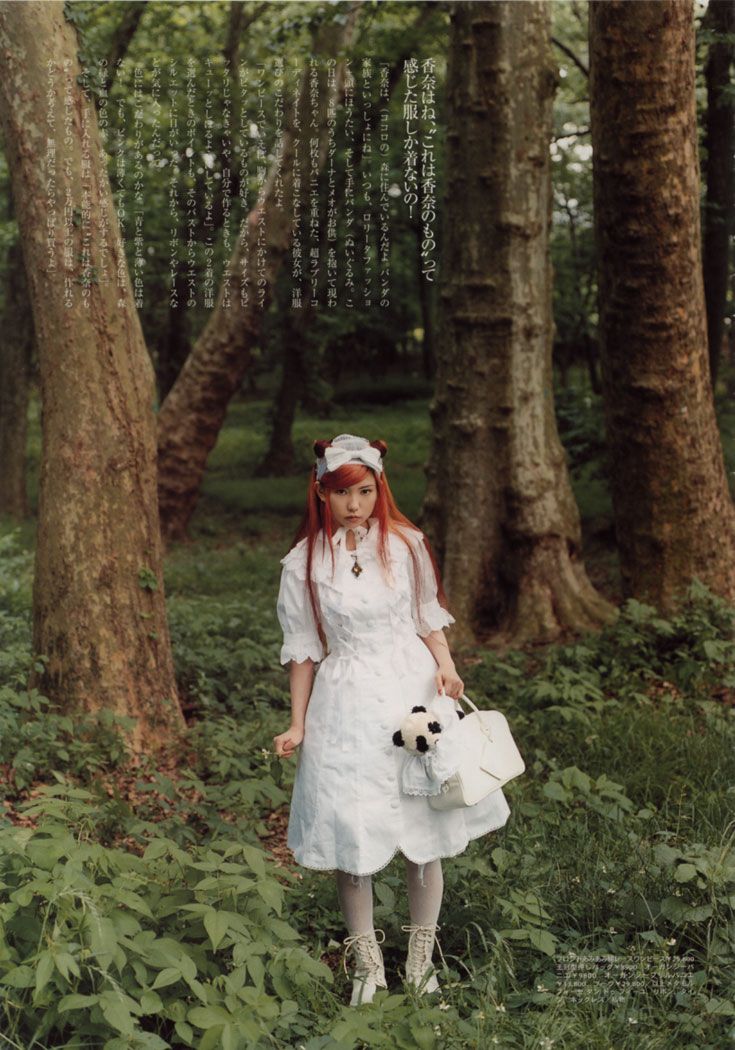
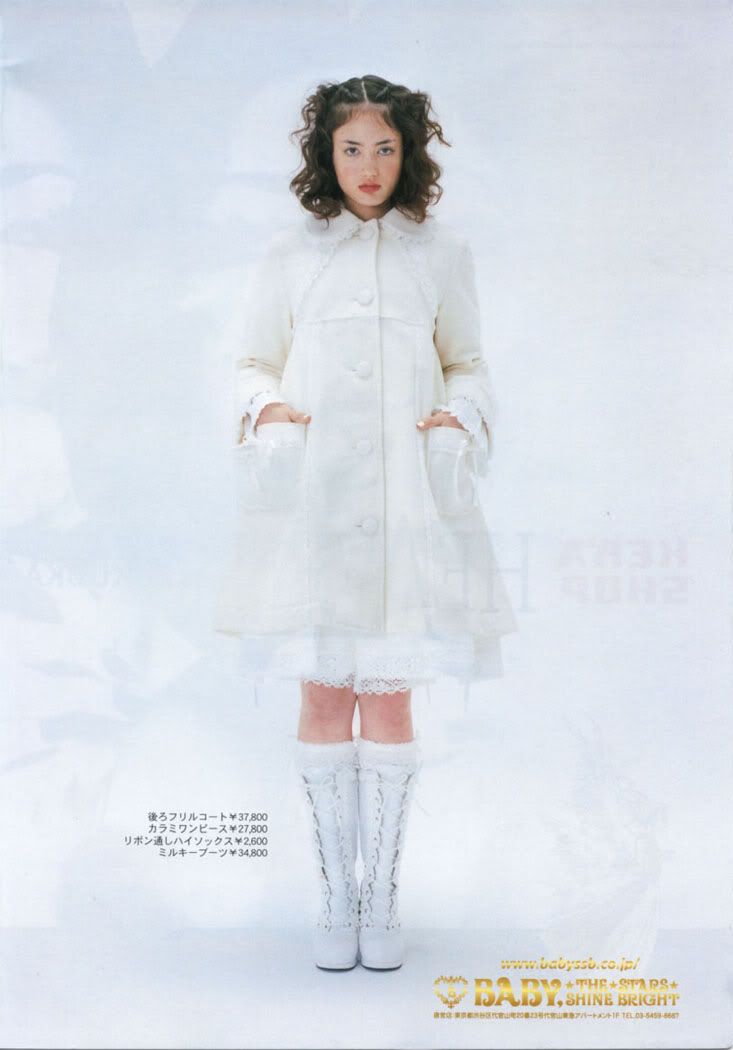
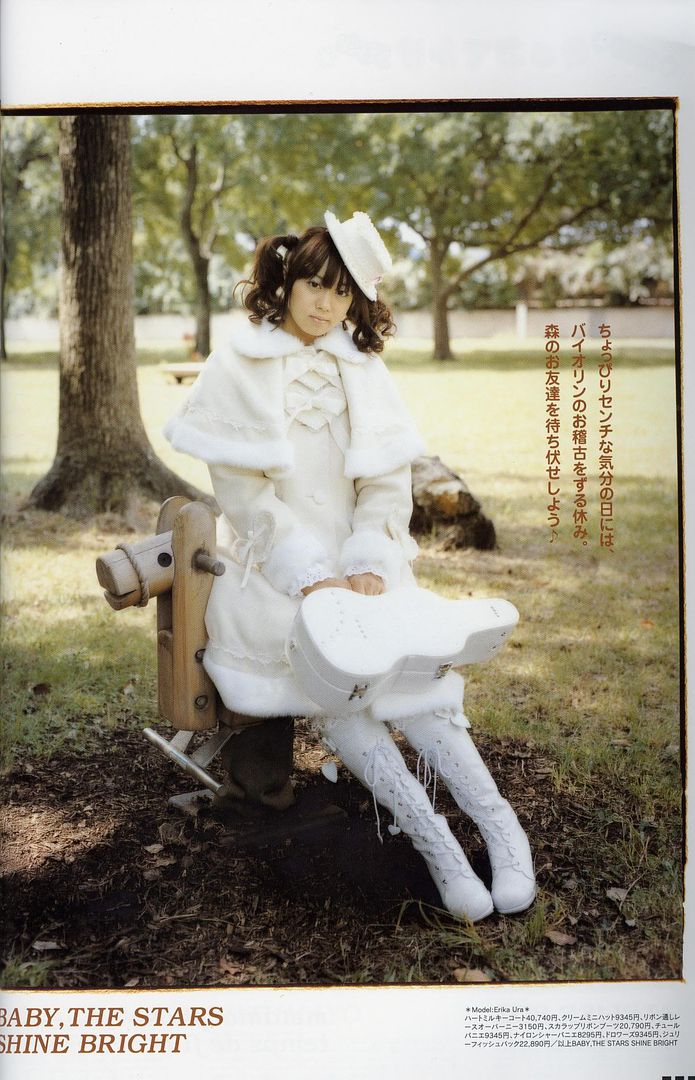
"White" lolita - any style of lolita done completely in white. This is a very tricky style to pull off because wearing floofy white clothing can easily lead to looking like a giant marshmallow, but it's very beautiful and striking if you can pull it off.
 ♥Hime Lolita♥
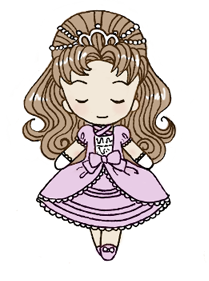
 Princess/himeloli is pretty much what it sounds like - lolita clothing a princess might wear. This style is very much inspired by Rococo (rather than Victorian) and is very fancy, with a mini-crown or tiara to complete the look. But don't think a pink dress and a crown will make you a hime lolita--coordination is key!
Sometimes (but not often) the traditional loli silhouhette of a bell-shaped skirt is extended to a more full-length dress, usually with a slightly lower and squared neckline to balance out the fullness of the skirt (not a plunging neckline or anything). This is a difficult modification to pull off correctly and should be avoided by beginners. Jumpers can be found as well, but not as many blouse/skirt outfits. Overall in my opinion, it's the most feminine and fancy of all the Lolita styles, and often the most extravagant.
 ♥Country Lolita♥
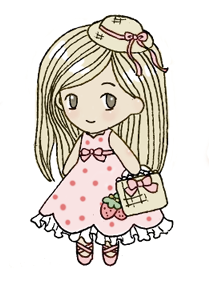
 A subset of sweet style, with little straw hats and dresses in gingham, floral, and fruit patterns. Basically you look like a sweet lolita out for a picnic, so it is not uncommon to tote around a wicker basket or parasol. The print of the dress and the straw hat accessory are really the only thing that distinguishes it from sweet loli, and often the two are grouped together.
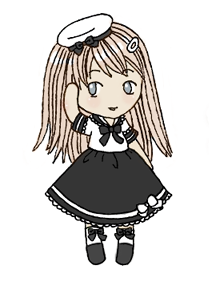 ♥Sailor Lolita♥
 Pretty self-explanatory, it's just a lolita version of the old sailor uniforms. The skirts have nautical stripes around the edges, the blouses have little sailor collars and ties, and sailor hats are worn in place of headdresses. It's really just a small subset of sweet lolita, it's popular enough to deserve it's own panel.
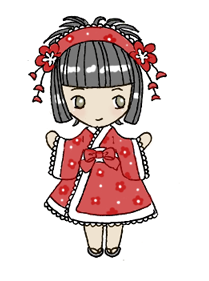 ♥Oriental-styled Lolita♥
 Wa-lolita - inspired by traditional Japanese clothing, including the kimono and less formal yukata. One option is a top or dress resembling a kimono with a lolita bell-shaped skirt. Often lace and an obi bow are added to make it more lolita. Oriental or solid prints are used for this style. Another far less lolita style occasionally put out by the brands is the lolita yukata, employing cuter prints and lace to try to make it look more lolita. I don't consider this to be very lolita but I'm putting it here just to have a complete view of waloli.
Qi-lolita - inspired by traditional Chinese qipaos (those cute little brocade dresses). Mandarin collars and frog closures with a Chinese print fabric usually identify these dresses. Often they are sleeveless but sometimes puffy sleeves are added to make them more lolita. Silk brocade would be the best choice for these but cotton is usually used. Hopefully I'll be able to find more examples soon, but this style is rarely done very well.
There are also attempts at hanbok-styled (traditional Korean dress) Lolita dresses, a lovely example being here.
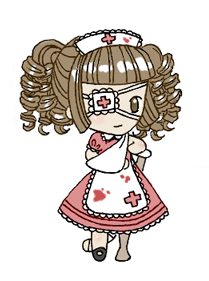 ♥Gurololita♥
 This style also goes by "grotesque lolita" or "injured lolita". Any style of loli clothing will work for this because it's all about what you add to it (though it is more often seen on punk or goth lolis). Eyepatches, blood stains, fake bruises, bandages, and even slings give you that "broken dolly" look. This style can either look scary and gruesome or cute and all please-fix-me. Just don't overdo it, because you can quickly start looking like something out of a Marilyn Manson video. Most of these examples are actually art because it's not a common style.
 ~ ♥
~ ♥ ~ ♥
~ ♥
Art (Not safe for kids) by
![[info]](http://p-stat.livejournal.com/img/userinfo.gif) sugarcreamcandy
sugarcreamcandy♥
 ~ ♥ ~ ♥
  ♥Erololita♥
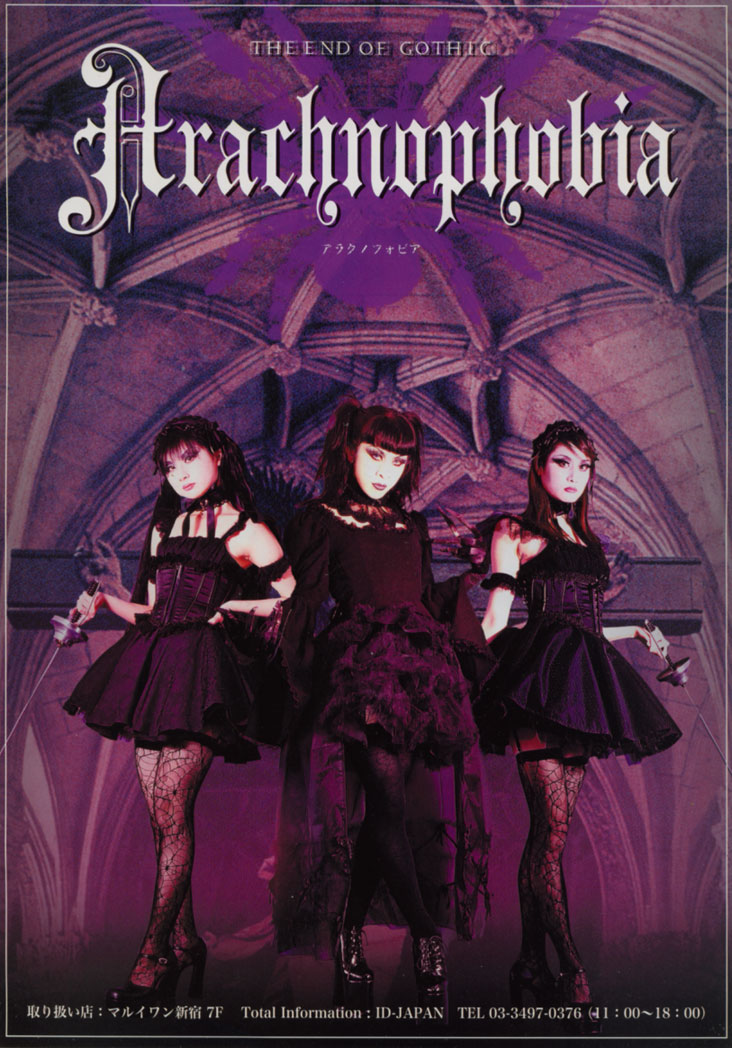
 Erololi is a more uncommon style that resembles normal lolita style on it is slightly more revealing and often has fetish elements such as collars, handcuffs, garters, and vinyl fabric. By revealing I do not mean exposing, the skirts are just shorter and the tops are a little lower cut, or ones that draw attention to the breasts. Corsets are often seen and usually without anything underneath (such as a blouse). The style ranges from the darker stuff you see in places like "Torture Garden" to the adorable pastel frilly clothing of Kana. It's still appropriate to wear in public but it's usually meant for clubbing or going to concert. Despite being "ero" it maintains a certain innocence through frills, loli accessories, and a certain degree of modesty. It fits a more western definition of lolita (a sexual precocious - not promiscuous - little girl) but elegance and class are still important. This is a very tough style to pull off and it helps to have a lot of experience in lolita fashion before you attempt it. Most of the better examples are found in art rather than life. These ecamples are only to give you a sense of the elements that may be incorporated into ero (corsets, bloomers showing, low-cut but still modest an frilly tops), but they are not examples of perfect ero-lolis.
♥
 ~ ♥~♥
~ ♥~♥ ♥Lolita Cosplay♥
Lolita Cosplay is to real lolita what school-girl costumes are to real schoolgirls. It's a little strange that someone would dress up like something you wear regularly, and is sometimes taken as an insult to dedicated wearers of the fashion though it might not be meant as one. Lolita costumes tend to be cheaply made and are generally less conservative than real lolita clothes (much like the naughty schoolgirl costume), so they can easily be distinguished as costumes. Sometimes poorly done lolita is also referred to as cosplay because the poor quality of the outfit seems like it was meant to be worn rarely.
Often these outfits look very French Maid and for some reason seem to have a lot of cosplay add-ons such as cat ears and wings, - things you wouldn't wear everyday. Very often these accessories are viewed as distasteful if you are wear it to a normal lolita meeting, during a regular day or something. Usually lolitas will wear one during a themed party, like Alice in Wonderland or an animal-themed party. Some brands also make cat and bunny ears; this does not mean that they are automatically OK, sometimes they get the style wrong too.
Please note wearing lolita to a cosplay event does not make it cosplay lolita. Some people just feel more comfortable wearing their lolita in this sort of setting, but they treat it as you would a nice evening dress - meant to be worn on special occasions but not as a costume. SO be careful when using applying this term to others.